
Why Clean Grout
Grout is porous by nature; it absorbs moisture, dirt, soap residue and oils long before it ever looks dirty to the eye. Sydney’s humidity and coastal air make the problem worse, allowing contamination to build up inside the grout itself, not just on the surface.
- Fully Insured & Licensed
- Professional Equipment
- Residential & Commercial
- Sydney Metro
- Free Quotes
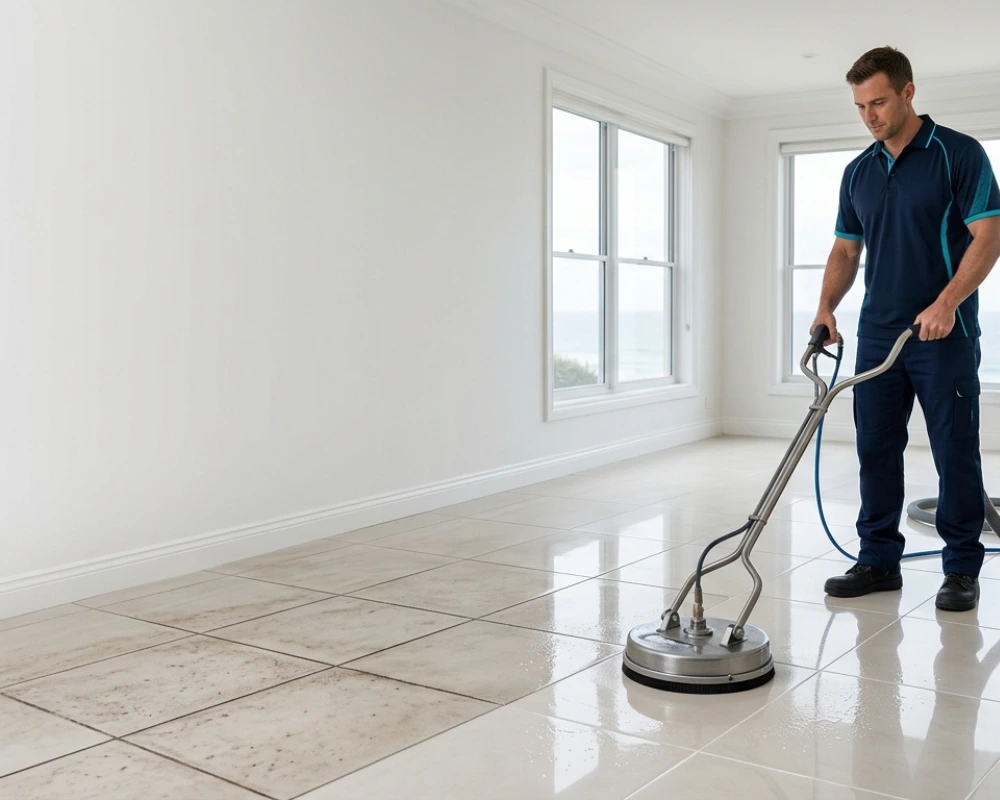
Why Grout Gets Dirty Faster Than Most People Realise
Grout is porous by nature
Over time, this porosity allows dirt, soap scum, body oils and mineral deposits to accumulate below the surface, where everyday cleaning simply can’t reach. That’s why grout can look “clean” after mopping, yet still hold weeks or months of embedded contamination.
Why Mopping Doesn't Actually Clean Grout
Mopping
- Removes loose surface dirt
- Dirty water can enter porous grout
- Doesn't reach embedded contamination
- Limited effect on soap scum
Professional Deep Cleaning
- Breaks down embedded grime
- Agitates grout
- Extracts contamination
- Restores the appearance of grout
Where It Happens
The Biggest Causes of Dirty Grout in Sydney Homes
Different areas of a home or commercial property face different challenges when it comes to grout.
Bathrooms
Constant humidity and soap residue create ideal conditions for embedded grime.
Showers
Standing water and warmth encourage mould and mildew in grout lines.
Kitchen Floors
Grease and food residue penetrate grout faster than most surfaces.
Laundry Rooms
Moisture and detergent build-up leave grout looking dull over time.
Entryways
Dirt, dust and outdoor debris are tracked directly into grout lines.
Outdoor Paving
Weather exposure and organic growth accelerate staining outdoors.
Balconies
Rain, wind-blown dirt and shade can trap moisture in grout.
Pool Surrounds
Chlorine, sunscreen and constant moisture affect grout condition.
Commercial Kitchens
High foot traffic and grease create demanding cleaning conditions.
Restaurants
Spills and heavy use mean grout can discolour quickly.
Retail Stores
Constant foot traffic embeds dirt deep into flooring grout.
Common Grout Problems We See Across Sydney
Black Grout
Mould growth and trapped moisture.
Yellow Grout
Residue, chemicals and mineral deposits.
Pink & Orange Stains
Damp bathroom environments.
Mould & Mildew
Persistent moisture and poor airflow.
Efflorescence
Mineral salts rising through the surface.
Soap Scum
Residue building over time.
Grease
Especially common in kitchens.
Food & Pet Stains
Fast-penetrating spills.
Hard Water Deposits
Calcium and lime buildup.
Cracked / Missing Grout
Possible age, movement or installation issues.
Why Sydney Homeowners Choose Professional Tile & Grout Cleaning
Save Time
Avoid repeated DIY cleaning attempts.
Extend Tile Life
Maintain tiled floors and walls for longer.
Better Results
Professional equipment reaches beyond surface dirt.
Better Value
Cleaning and sealing can help avoid unnecessary replacement.
Frequently Asked Questions
How often should grout be professionally cleaned?
Most Sydney homes benefit from a professional clean every 12–18 months, depending on foot traffic and moisture exposure.
Can professional cleaning remove black mould from grout?
Professional cleaning can significantly reduce visible mould and surface contamination in most cases, though severely affected grout may require additional treatment.
Is grout sealing necessary after every clean?
Yes, we regularly work in Eastern Suburbs strata buildings and can provide certificates of currency and any documentation your building manager requires.
Will professional cleaning damage my tiles?
Reputable technicians test products and methods on a small area first to confirm compatibility with your specific tile and grout.
How long does the grout cleaning process take?
Timeframes vary by area size and contamination level, but most residential jobs are completed within a few hours.
Can you clean grout in outdoor areas and pool surrounds?
Yes, outdoor paving, balconies and pool surrounds can all be treated, using methods suited to weather-exposed surfaces.
What causes pink stains in bathroom grout?
Pink staining is commonly associated with bacteria that thrive in consistently damp bathroom environments.
Is DIY grout cleaning ever enough?
DIY methods can help with light surface maintenance, but they typically don’t reach contamination embedded within the grout.
What's the difference between grout cleaning and grout sealing?
Cleaning removes existing dirt and contamination, while sealing helps protect grout from future staining and moisture absorption.
How do I get a quote for tile and grout cleaning in Sydney?
Ready for Grout That Looks New Again?
Get a free, no-obligation quote and see what professional grout cleaning can do for your home.